

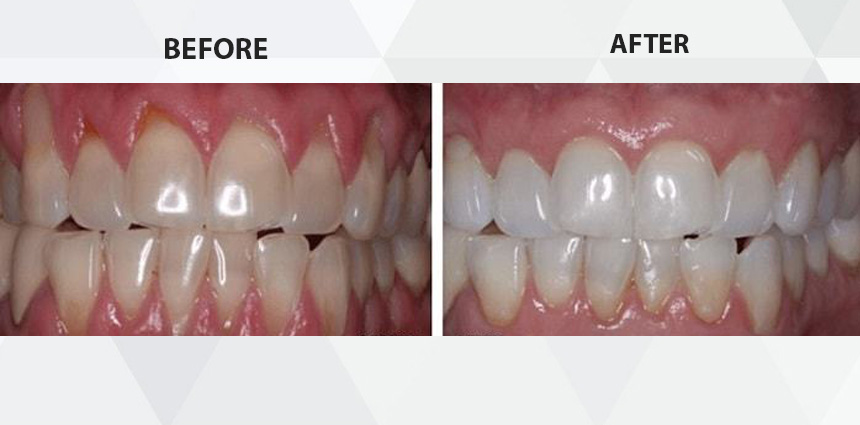
Flap Surgery

Specialized Periodontics Treatment
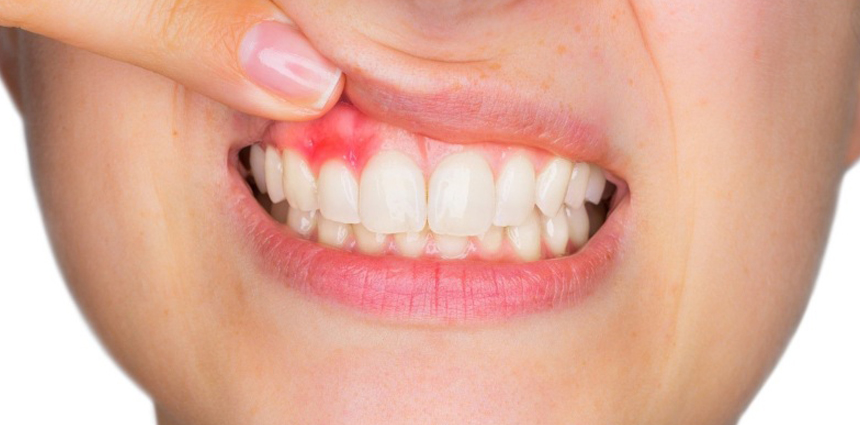
Peridontal Gum Disease Treatment

Treatment for Sensitive Tooth
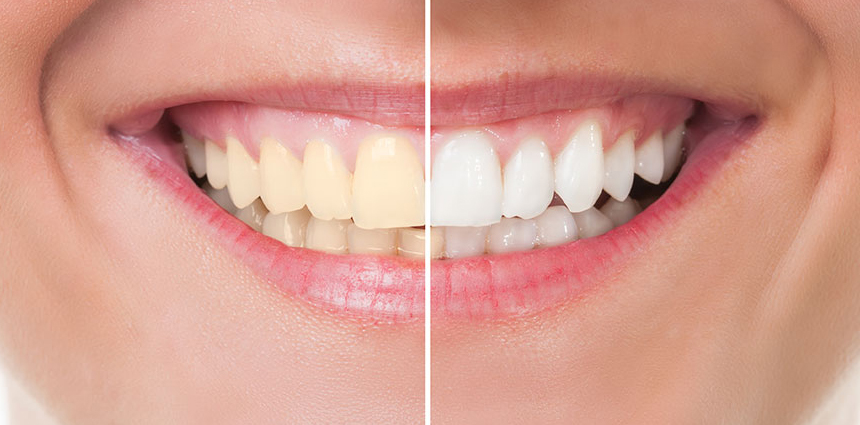
Professional Teeth Cleaning
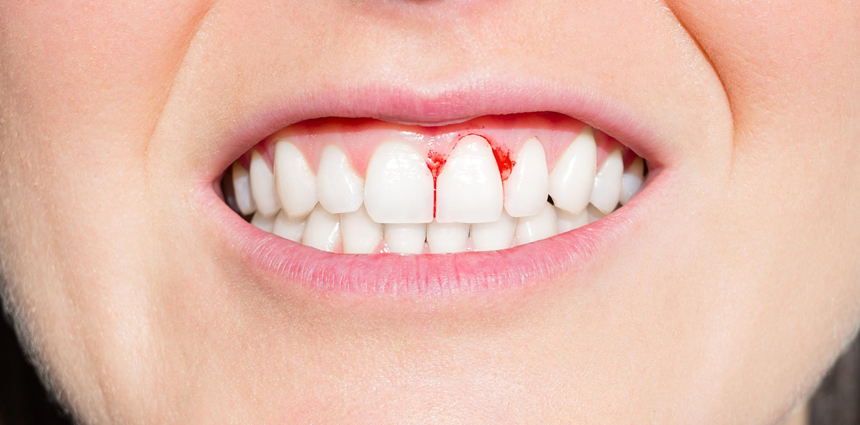
Bleeding Gum Treatments

Bad breath Treatments
Periodontics is the dental specialty focusing exclusively in the inflammatory disease that destroys the gums and other supporting structures around the teeth. A periodontist is a dentist who specializes in the prevention, diagnosis, and treatment of periodontal disease, and in the placement of dental implants. The most common periodontic treatment and procedures are:
A flap procedure cleans the roots of a tooth and repairs bone damage caused by gum disease. A gum specialist (periodontist) or an oral surgeon often performs the procedure. Before the procedure, you will be given a local anesthetic to numb the area where the doctor will work on your gums.
Not all periodontal treatment involves a surgery. As an example, the earliest stages of gum disease require periodontal treatments in the form of deep cleanings and scaling and root planing (as defined below) to eliminate as much plaque and tartar from the periodontal pockets as possible. This also serves to smooth the root of the tooth to get rid of those toxins. The next step of treatment is adjunctive therapy like antibiotics or antimicrobials.
This process is a precise cleaning of the root surfaces to eliminate plaque and tartar. Scaling and root planing also combats bacterial toxins. It is sometimes followed with adjunctive therapy like systemic antibiotics or host modulation. The majority of periodontists agree that many patients will not require additional treatment following scaling and root planing yet ongoing maintenance therapy will be necessary to sustain periodontal health.
Nowadays, impressions are taken of the patient’s mouth to craft a tray delivery system. The impressions allow for the creation of such a customized tray that the patient can use at home for medication delivery as prescribed by the dentist. These periodontics trays are similar to the traditional dentists’ fluoride trays used to combat tooth decay. Such drug delivery systems are considered a successful adjunct to non-surgical periodontal therapy.
The placement of dental implants involves the use of an artificial tooth root. This root is placed in the jaw where it connects to the jawbone in a process referred to as osseointegration. An artificial tooth is connected to the implant post following the healing period.
Regeneration is a periodontal surgical procedure in which the periodontist folds back gum tissue to eliminate bacteria. Everything from membranes to proteins that stimulate tissue to bone grafts can be used to kick-start the body’s inherent ability to regenerate bone as well as tissue.
This periodontic surgery requires the use of gum tissue outside of the area to be treated. Gum tissue is taken from the palate or another source and used to cover the root that is exposed. Soft tissue grafting can be performed on one or many teeth to even the gum line and minimize sensitivity.
Also known as gingival sculpting or crown lengthening, this is a periodontal surgery in which extra tissue is eliminated under local anesthesia. The gums typically heal in about a week’s time. The end result is a re-shaping of the unnecessary gum and bone tissue to expose the natural tooth. This periodontics procedure also evens the gum line when applied to a single tooth. If performed on several teeth, it will provide a lovely broad smile.