

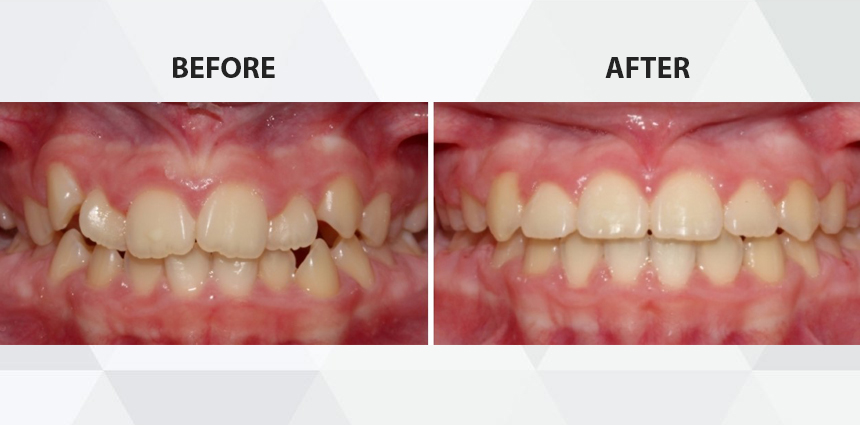
Crowding
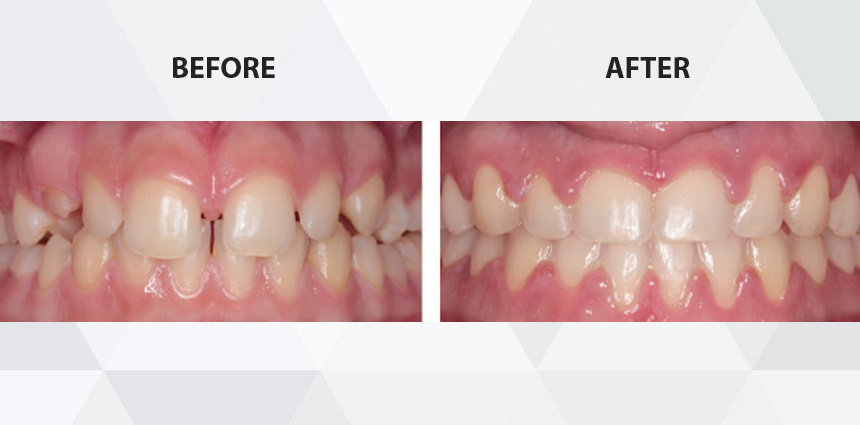
Spacing
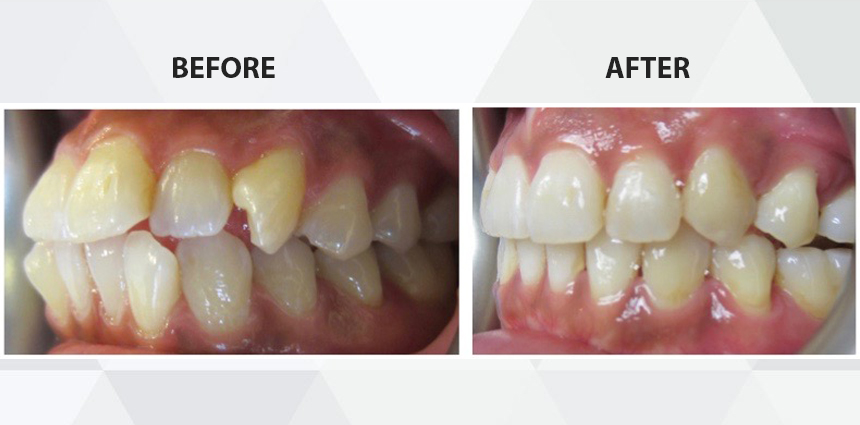
Bimaxillary protrusion
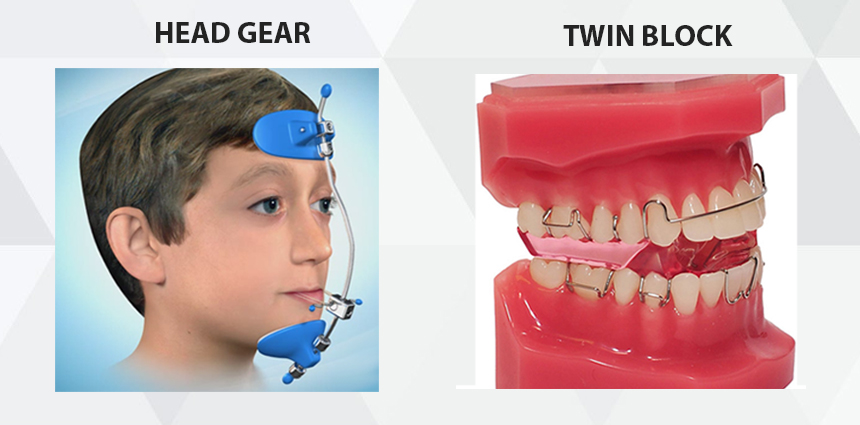
Myofunctional Appliances
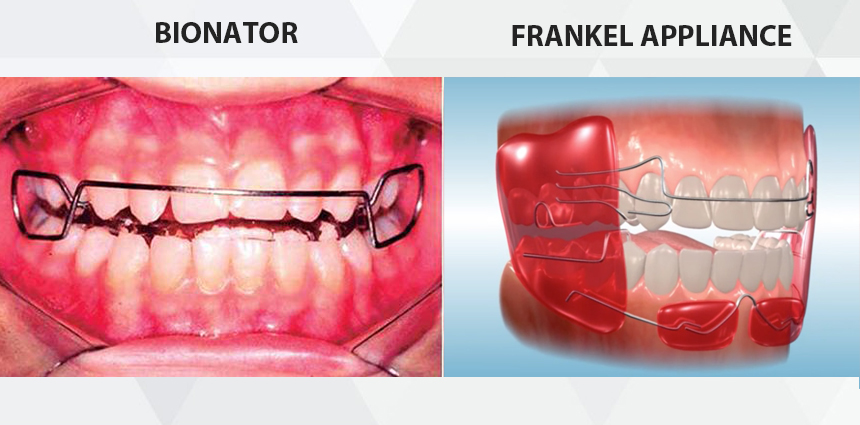
Myofunctional Appliances

Functional Hybrid Appliance
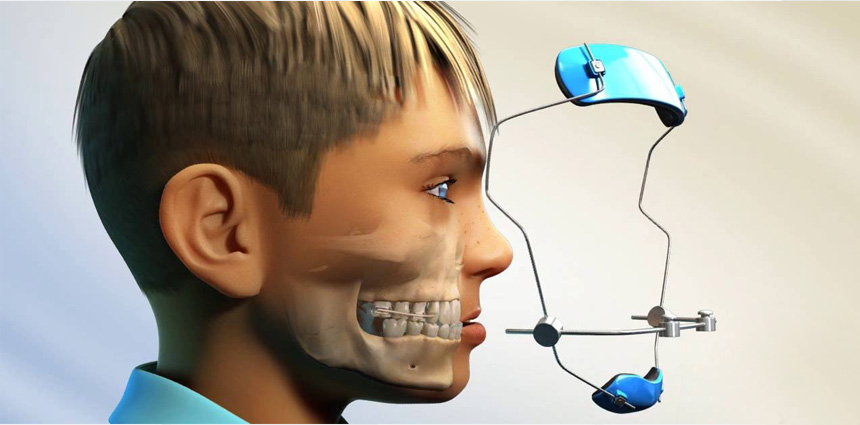
Facemask with expansion
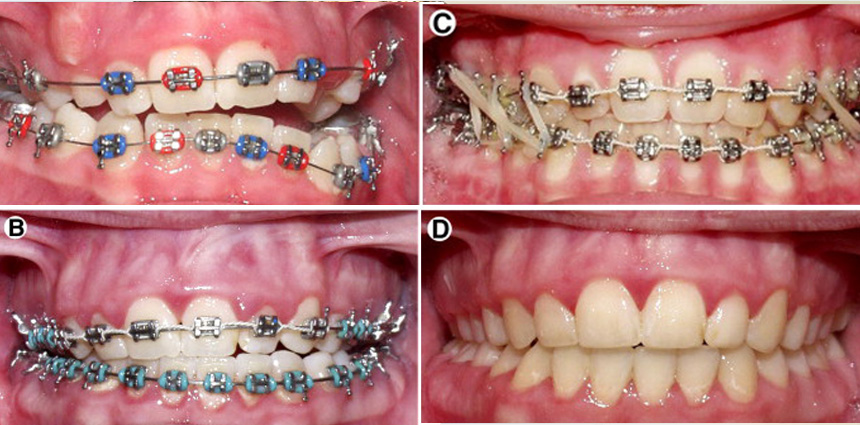
Orthodontic surgical treatment
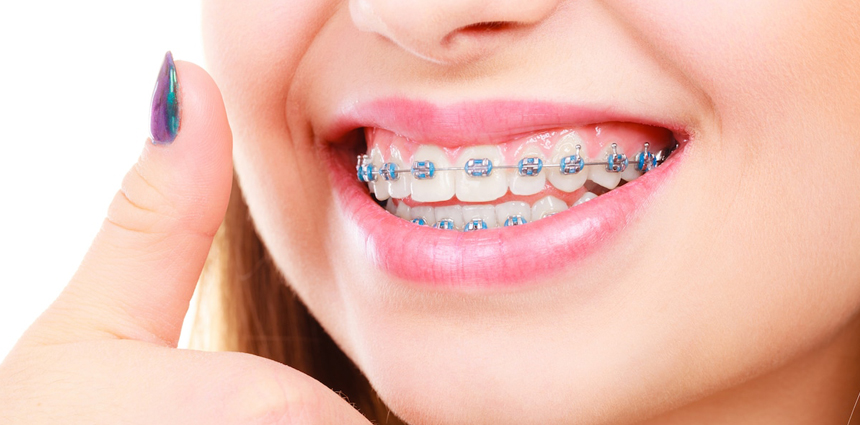
Specialized Treatment for Gaps

Specialized Treatment for Spaces
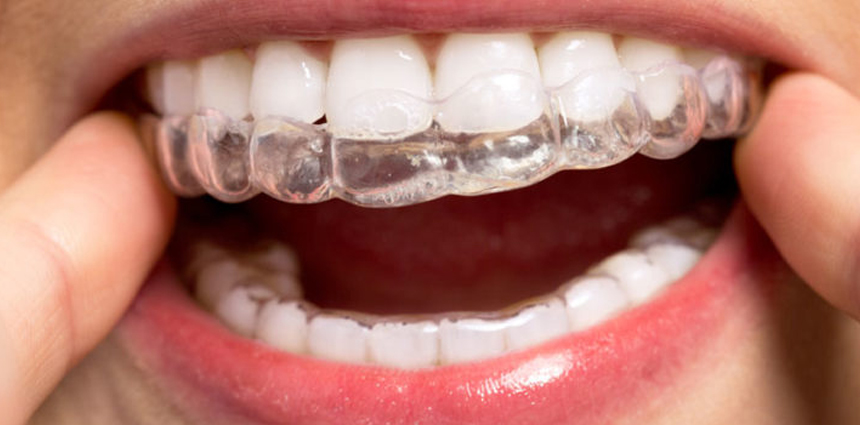
Clear Aligners
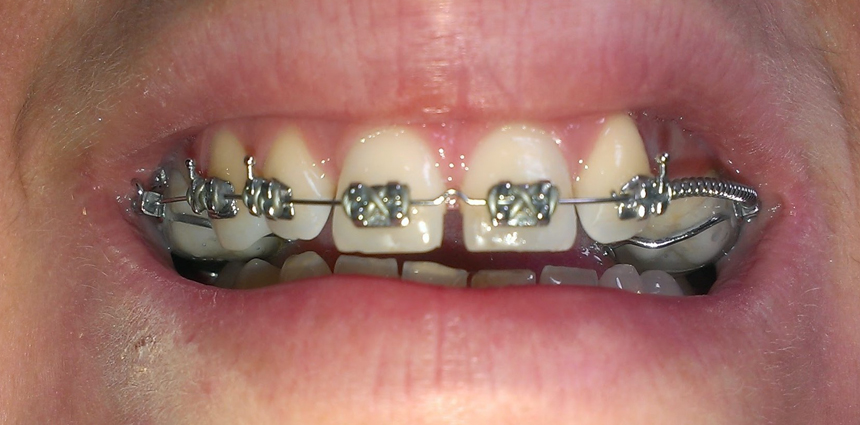
Brackets
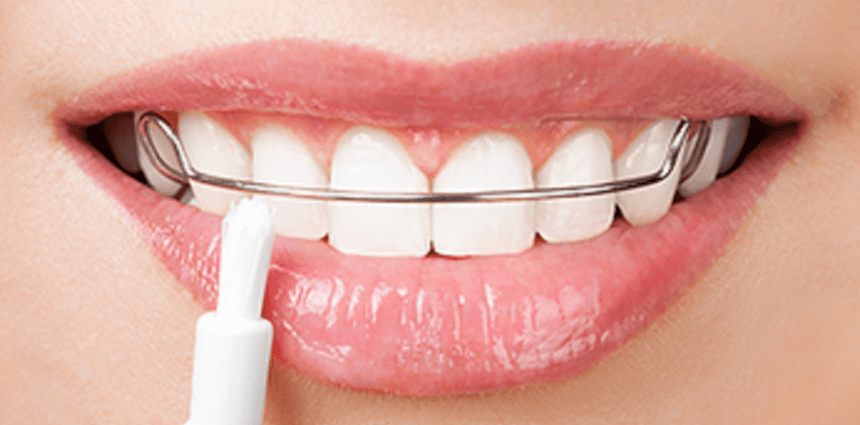
Retainers
Orthodontics is a branch of dentistry that treats malocclusion, a condition in which the teeth are not correctly positioned when the mouth is closed. This results in an improper bite. An orthodontist can carry out work that aims to achieve the following:
Myofunctional appliance are used before pubertal age.
The most common orthodontic treatment methods.They are used when precision is important. A person can eat normally with fixed appliances, but some foods and drinks need to be avoided, such as carbonated drinks, hard candy, gum, and other sticky foods. People who participate in contact sports need to tell their orthodontist.
These may be used to treat minor problems, such as preventing thumb sucking or correcting slightly crooked teeth. The appliance should only be taken out when cleaning, eating, or flossing. Sometimes, the orthodontist may advice the patient to remove them during certain activities, such as playing a wind instrument
Examples of removable appliances include:
This alternative to braces may be useful for adults. They are virtually unnoticeable by other people, and they can be removed to brush the teeth, floss, or eat. An aligner is used for 2 to 3 weeks, then changed for a tigher one. Clear Aligners are transparent trays made of special material which are used to straighten teeth just like braces. They use gentle and constant force to move the teeth in the required position without going through the hassles of metal wires and brackets. They are custom made for each patient through a digital scan.
If the jaws and teeth do not develop properly, malocclusion can result. The teeth will be crooked and malaligned, and the bottom and top sets of teeth may not line up.
This can impact the shape of the face and the appearance of the teeth, resulting in embarrassment, a lack of self-confidence, and even depression. Reasons include injury to the teeth or facial bones and frequent thumb or finger sucking, among others. Severe malocclusion may affect eating, speech, and keeping the teeth clean.