

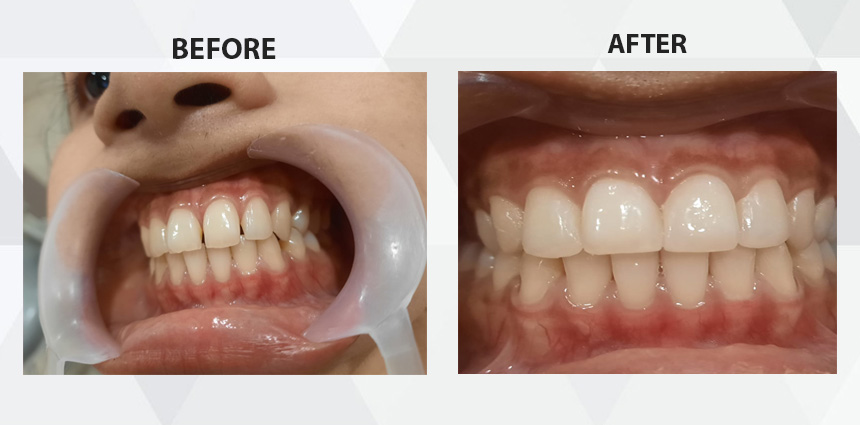
Cosmetic Bonding
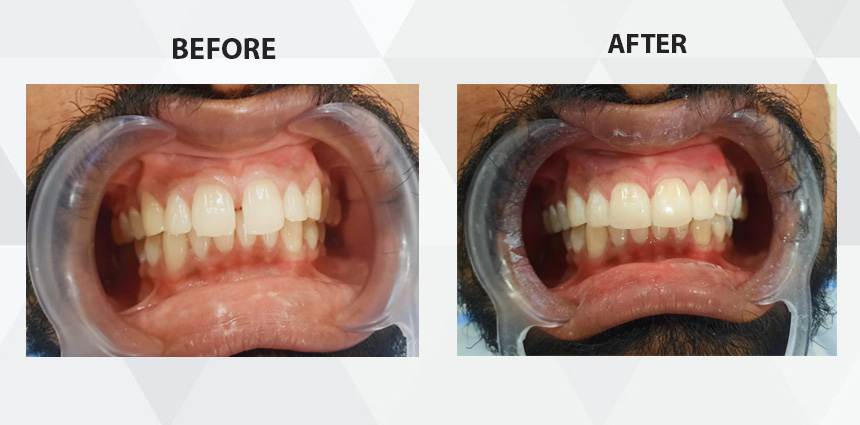
Closure with tooth coloured composite
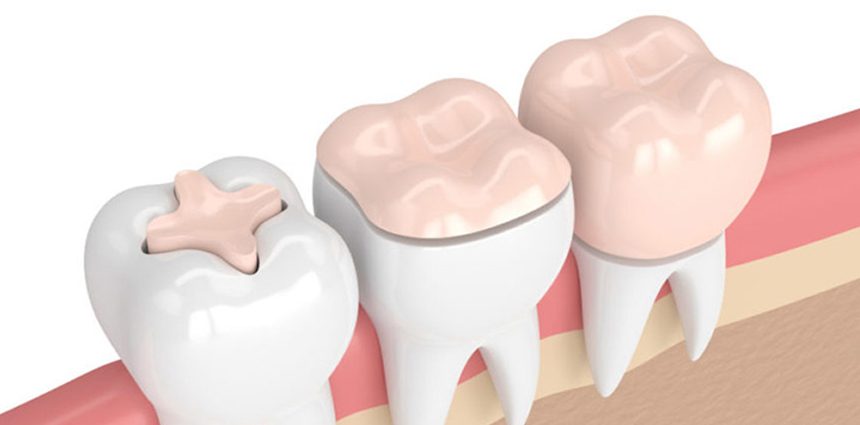
Biomimetic Restorative Dentistry
Biomimetic dentistry is a branch of restorative dentistry that uses treatments to maintain and save the natural tooth structure using materials that mimic your natural teeth. Biomimetic dentists actively work to avoid damaging the tooth structure with certain procedures.
The biomimetic approach focuses on preserving the structure and function of your natural teeth first and foremost. There is a large emphasis on preserving healthy tooth structure, and biomimetic dentists actively save as much of the tooth as possible when restoring teeth. Instead of drilling and removing decayed tooth material, biomimetic dentists work to treat and preserve the tooth that you still have. For example, instead of drilling out a crack in a tooth, they’ll sterilize it and fill it with a composite material to protect it from further damage and decay. Biomimetic restorations also feel like natural teeth. Biomimetic dentists work to mimic nature as much as possible, including making the look and feel of their treatments as natural as possible. They use materials that replicate natural enamel and dentin as much as possible.
Biomimetic dentists work hard to repair teeth using materials that mimic and match the strength of natural teeth. Large cavities are filled with ceramic inlays or onlays with cusps that are just as strong as your natural enamel and look natural, too. These restorative techniques also use materials with good bond strength so fillings and other restorations stay on the tooth for up to a lifetime. Some traditional fillings need to be redone in a few years, removing even more healthy tooth tissue in the process.